
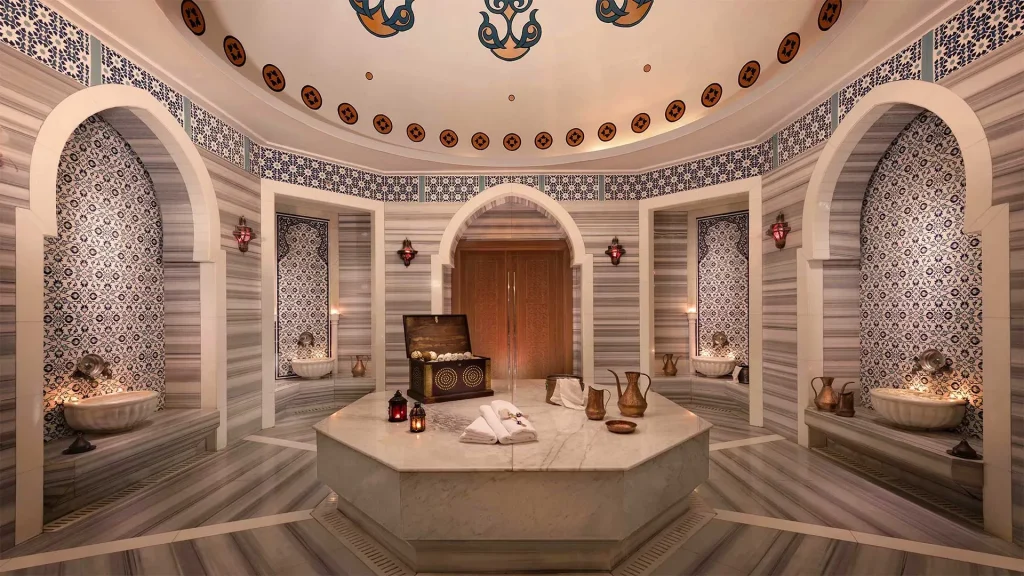
Authentic Turkish Hammams are more than places to wash; they are living cultural rituals that blend heat, marble, steam, and sociable ritual into daily life. Stepping into a hammam invites you into a centuries-old tradition of hospitality, where observing Turkish bath etiquette shapes how locals welcome you. Whether you’re a resident seeking a weekly renewal or a traveler pursuing a deeper Turkish bath experience, the setting invites calm, connection, and reflection. From choosing the right hammam to understanding expectations and etiquette, this guide blends practical insight with the sensory richness of the ritual. This introduction lays the groundwork for appreciating the blend of architecture, community, and personal renewal that defines authentic hammams.
Beyond Istanbul’s famous baths, the essence of this experience rests in ceremonial cleansing and social warmth that travelers quickly feel. The routine blends temperature-rich rooms, exfoliating textures, and generous lathers that define Turkish spa culture. Architectural domes, marble slabs, and a calm, shared atmosphere highlight the heritage of bathhouse hospitality that continues in both grand historic houses and intimate neighborhood baths. When you plan a visit, think in terms of local hammam traditions and the role of attendants, which helps you participate with respect and ease. Approach the experience as a sensory journey—warmth, texture, and ritual, rather than a hurried massage, and you’ll emerge with a sense of renewal.
Finding Authentic Turkish Hammams: A Guide to Genuine Experiences
Authentic Turkish Hammams are living cultural rituals that weave heat, marble, and sociable ritual into daily life, connecting generations of locals and curious travelers. They are more than baths; they are ceremonies that invite quiet reflection as steam rises and conversations drift like steam wisps in a grand, dome-topped room.
To identify an authentic hammam, look for traditional architecture—domed ceilings, marble gobektasi, and a clear sequence of spaces that heat the body gradually. Staff trained in the classic bathing ritual—often including a kese exfoliation and foam wash—signal a space rooted in history. In cities like Istanbul, historic baths such as Çemberlitaş Hamamı and Kılıç Ali Paşa Hamamı embody this enduring spirit, while smaller towns preserve the same essence in more intimate settings.
Turkish Bath Etiquette Essentials for a Respectful Hammam Visit
A cornerstone of any meaningful experience is Turkish bath etiquette. Etiquette isn’t about rigidity but about showing respect for the space, attendants, and fellow bathers. Adhering to modest dress norms, following posted hours, and maintaining a calm, respectful demeanor helps everyone enjoy the ritual.
Practical etiquette includes wearing a pestemal or modest swim wrap in the main areas, recognizing the role of the bath attendant (tellak or natır), and tipping after services. The typical flow—cleansing, exfoliation, foam massage, rinsing—happens at the staff’s pace, and polite questions about costs or services beforehand prevent misunderstandings. This approach aligns with timeless Turkish bath etiquette and enhances your overall hammam visit tips.
From Foot to Foam: A Step-by-Step Turkish Bath Experience
The Turkish bath experience unfolds through a sensorial sequence designed to soothe, cleanse, and renew. Most visits begin with a warm pre-wash to prepare the skin, followed by a thorough exfoliation with kese that reveals renewed texture beneath the surface.
A generous foam wash then envelops you as the attendant works, releasing tension and improving circulation. The ritual concludes with a rinse, a gentle massage if requested, and a quiet moment of relaxation with tea—an intimate pause that mirrors the respect and care embedded in the Turkish bath experience.
Hammam Visit Tips for Locals and Travelers: Making the Most of Any City
Hammam visit tips begin with a little homework: check hours, gender-specific times, and dress codes before you arrive. Bring a clean pestemal, a small towel, water shoes, and a positive mindset to slow down and absorb the ambience of the space.
Whether you’re a local returning weekly or a traveler seeking immersion, plan for quiet times, budget for optional services like kese exfoliation, and respect language differences. Observing etiquette—speaking softly, asking for services politely, and avoiding photography in bath areas—helps bridge cultures and enhances your experience within Local hammam traditions.
Best Hammams in Turkey: Iconic Spots for an Immersive Tradition
For an iconic Turkish bath experience, Istanbul’s Çemberlitaş Hamamı and Kılıç Ali Paşa Hamamı stand as benchmark examples where authentic rituals meet grand architecture. Other cities, such as Bursa and Izmir, offer smaller yet equally reverent baths that honor the same timeless rituals.
Starting with a renowned historic bath in a major city gives you a baseline for pace, cleanliness, and service, after which you can explore neighborhood baths to connect with Local hammam traditions more intimately. Across Turkey, the Best hammams in Turkey reveal that authenticity lives in the staff’s adherence to ritual, the space’s cleanliness, and a welcoming community spirit.
Frequently Asked Questions
What defines Authentic Turkish Hammams, and how does Turkish bath etiquette guide your visit?
Authentic Turkish Hammams follow a ritual sequence that begins with cleansing, moves through exfoliation with a kese, a foam wash by a trained attendant, and a final rinse and relaxation. Turkish bath etiquette emphasizes modest dress (often a pestemal or suitable swimwear as required), respectful pacing through each stage, and polite interaction with attendants and fellow bathers. This combination preserves the architectural, sensory, and communal rhythm that characterizes authentic experiences.
What hammam visit tips should a first-time traveler follow for an Authentic Turkish Hammams experience?
Hammam visit tips for an Authentic Turkish Hammams include checking hours and gender-specific times, bringing a pestemal, a small towel, sandals, and water, and budgeting for optional kese exfoliation and foam wash. Observe locals, ask staff if you’re unsure about dress codes or services, and arrive a bit early to acclimate to the space’s pace. By planning and respecting the ritual, you’ll maximize your Authentic Turkish Hammams experience.
Where are the Best hammams in Turkey to experience the Turkish bath experience, and what should you know before visiting?
The Best hammams in Turkey include Istanbul’s Çemberlitaş Hamamı and Kılıç Ali Paşa Hamamı, plus traditional baths in Bursa and Izmir. These venues blend historic architecture with time-honored rituals, delivering an authentic Turkish bath experience through skilled attendants and a respectful atmosphere. Start with a well-known historic bath to understand the rhythm, then explore smaller local baths to connect with local traditions.
How do Local hammam traditions influence the Authentic Turkish Hammams visit?
Local hammam traditions center on hospitality, communal spaces, and a calm, ceremonial pace. In an Authentic Turkish Hammams visit, you’ll encounter trained attendants (tellak or natır), time-honored rituals, and a social yet tranquil environment that invites reflection and connection. Observing these traditions enhances respect for the space and deepens your cultural experience.
What should you expect from the Turkish bath experience when visiting an Authentic Turkish Hammams in Istanbul or other cities?
Expect a stepwise Turkish bath experience: a warm pre-wash, kese exfoliation, a generous foam wash, rinsing, a massage if requested, and post-ritual relaxation with tea in a cool room. Throughout, follow Turkish bath etiquette—move at the staff’s pace, be discreet with photography, and treat attendants and fellow bathers with courtesy. This framework helps you fully appreciate the authentic atmosphere and culture of Authentic Turkish Hammams.
| Aspect |
|---|
| What makes Authentic Turkish Hammams |
| Turkish Bath Etiquette |
| Hammam Visit Tips |
| The Turkish Bath Experience: Step by Step |
| Best Hammams in Turkey |
| Local Hammam Traditions |
| Practical Considerations for Travelers and Locals |