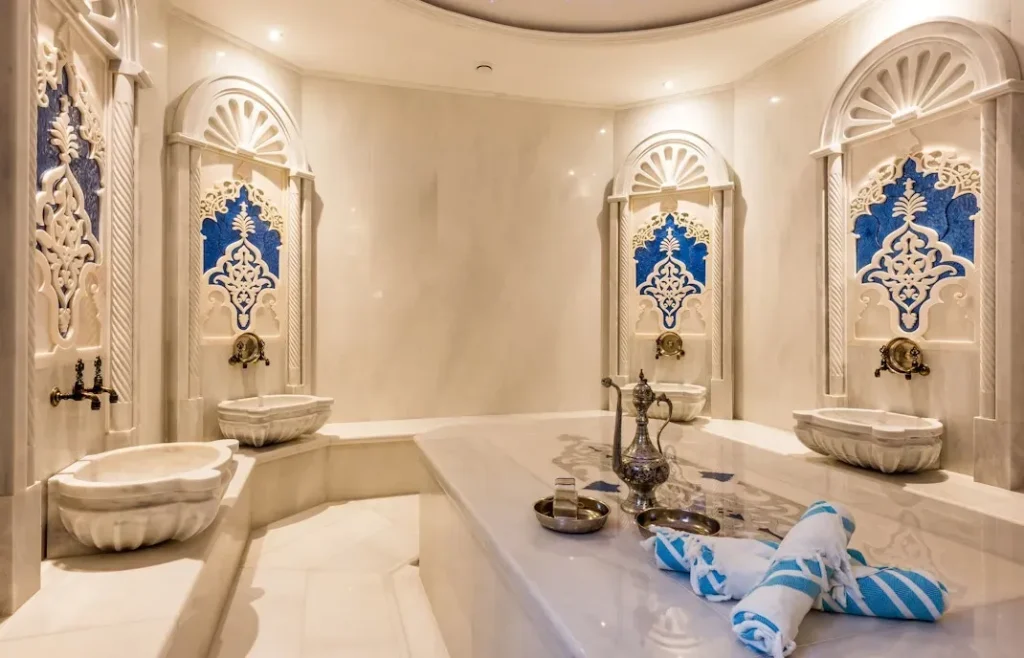
Turkish bath rituals open a warm, marble-lit doorway to a tradition that blends cleansing, ritual, and pure sensory calm. In hammam rituals, steamy heat loosens the skin, while attendants guide exfoliation, soap massage, and mindful cooling into a single soothing flow. You’ll truly encounter a careful sequence designed to cleanse, relax tense muscles, and renew skin, all within a fragrant, tranquil atmosphere. Approach the experience with patience and respect, knowing when to communicate comfort levels, pressure, and personal boundaries to practitioners. This introductory overview outlines the core steps, etiquette, and wellness benefits that have kept generations returning to these rituals.
Viewed through the lens of steam bath traditions, this practice is a holistic ritual that blends warmth, water, and social connection. In hamam culture, the focus shifts from mere cleansing to a sequence of enveloping heat, textured exfoliation, and soothing movements that stimulate circulation. Recognizing related ideas like kese scrubs, sabun cleansing, and massage helps guests navigate the experience with confidence. Whether you know it as a bathhouse ritual, a Turkish spa session, or a ceremonial spa rite, the essence remains a mindful journey toward renewal. These terms, textures, and cues reinforce an experience rooted in hospitality and well-being.
Turkish Bath Rituals Unveiled: A Gateway to Deep Cleansing and Relaxation
Turkish bath rituals weave history and ritual into a sensory cleanse. In the hammam, the Turkish bath steam fills the air, softening skin and signaling the body to begin a restorative cleanse as the time-honored hammam rituals unfold through a familiar sequence of steam, exfoliation, soap, and massage.
From warm marble rooms to fragrant oils, each step is choreographed to honor guests and tradition. Understanding this flow helps participants engage more fully with the hammam rituals, preparing you to experience the next stages with calm and respect.
The Hararet Experience: Maximizing the Benefits of Turkish Bath Steam
Within the hararet, or steam room, Turkish bath steam blankets the body in moisture, opening pores and loosening tension. This environment primes your skin for the upcoming exfoliation, while the heat invites a deeper, meditative relaxation as part of the overall Turkish bath experience.
When approached mindfully, the steam becomes part of the wellness routine rather than a mere backdrop. It supports better exfoliation and enhances the comfort of the subsequent Turkish soap massage, helping the body absorb moisturizers and essential oils more effectively.
Hammam Exfoliation with Kese: Texture, Circulation, and Skin Renewal
Hammam exfoliation using the kese is the signature indoor ritual—rough-textured gloved strokes that lift dead skin to reveal smoother, brighter tissue beneath. The sensation can be brisk yet controlled, leaving you with a renewed sense of clarity and a healthy glow.
As the scrub progresses, circulation increases and the skin becomes more receptive to cleansing oils and moisturizers. This step sets the stage for the subsequent soap treatment and massage, contributing to a lasting feeling of renewal and refreshed texture.
Soap, Massage, and Ritual Flow: Turkish Soap Massage and Etiquette
After exfoliation, a warm Turkish soap massage coats the body with olive-oil soaps and a generous lather, deepening cleansing while easing muscle tension. The massage part of the ritual helps dissolve remaining tensions and promotes relaxed, even breathing as you drift into a calmer state.
Turkish bath etiquette guides respectful participation, quiet conversation, and clear communication with the practitioner about pressure and comfort. By asking for preference and allowing the masaj to guide the pace, you help preserve the rhythm of the ritual and ensure a safe, enjoyable experience for everyone involved.
Modern Hammams Worldwide: Adapting Turkish Bath Rituals for Today
In cities around the world, modern hammams blend age-old rituals with contemporary spa design, preserving the sequence of steam, exfoliation, soap, and massage while adding private rooms, aromatherapy, and customizable treatments. The core Turkish bath rituals remain familiar, even as facilities adapt to diverse expectations and cultures.
Travelers can expect a consistent flow with regional touches—distinct architecture, ambient aromas, and service styles—yet the essential experience stays rooted in traditional practice. Whether in a historic bathhouse or a sleek urban spa, Turkish bath rituals offer a restorative routine that connects cleansing with cultural immersion and personal well-being.
Frequently Asked Questions
What are the core steps of Turkish bath rituals (hammam rituals) and how does Turkish bath steam set the stage for the experience?
Turkish bath rituals typically follow a sequence: steam in the hararet to open pores and soften the skin, exfoliation with a kese, cleansing with sabun, and a relaxing massage, then a rinse and quiet rest. Turkish bath steam opens the body and prepares the skin for exfoliation and cleansing that follow. Attendants may adjust heat and humidity for comfort, and guests are encouraged to speak up if it becomes too intense. This steam-to-scrub rhythm is the hallmark of hammam rituals.
How does hammam exfoliation work within Turkish bath rituals, and what role does the kese play in Turkish bath etiquette?
Hammam exfoliation uses the kese, a rough-textured glove, to remove dead skin and stimulate circulation. In traditional hammams, an attendant performs the scrub, though self-exfoliation is often available. The result is brighter, smoother skin and improved circulation, with a rinse afterward. In terms of Turkish bath etiquette, maintain modesty, communicate comfort levels, and observe cues during the scrub.
What should you expect from a Turkish soap massage during Turkish bath rituals, and how does it relate to steam and exfoliation?
After exfoliation comes the soap treatment and massage. Warm olive oil-based soap is lathered on the body as you’re massaged to relieve tension and improve circulation. The massage can be light or more thorough, depending on preference and spa style. The steam continues to support relaxation and helps loosen impurities, and a final rinse cleanses away soap and loosened skin.
Why is Turkish bath etiquette important for first-timers participating in Turkish bath rituals at a hammam, and what basic steps should I follow?
Turkish bath etiquette helps ensure a respectful, comfortable experience for you and others. Basic steps include wearing a pestemal or towel, removing jewelry, speaking softly, observing cleanliness, and asking politely if you’re unsure. Arrive with clean skin and a relaxed mindset, and let staff know any preferences or sensitivities. Hydrate before and after, and pace yourself through the heat and humidity.
What health considerations should you keep in mind when trying Turkish bath rituals in a hammam, including Turkish bath steam, hammam exfoliation, and Turkish soap massage?
Heat and exfoliation may not suit everyone. People with skin conditions, open wounds, pregnancy, or cardiovascular issues should consult a healthcare professional and inform staff before starting. If you feel dizzy, faint, or uncomfortable, step out and rest. Stay hydrated and follow the spa’s guidance to enjoy Turkish bath rituals safely.
| Aspect | Key Points |
|---|---|
| Definition and purpose of Hammam | A hammam is a thermal bathhouse rooted in Mediterranean/Middle Eastern traditions—a social, therapeutic space where warmth, humidity, and ritual promote cleansing, circulation, and relaxation. Core rhythms: steam, exfoliation, soap, and massage. |
| Core ritual sequence | Rituals unfold in a heat-to-cleanse-to-massage rhythm to renew skin, ease tension, and calm the mind; variations exist, but steam, scrub, soap, and massage remain central. |
| Steam/Hararet | Begin in a warm, steamy room. Steam opens pores and relaxes the body; attendants may adjust heat. Speak up if uncomfortable; steam signals gentle cleansing. |
| Exfoliation with Kese | Exfoliation uses the kese glove—thorough but not painful. Attendant-performed or self-exfoliation; removes dry skin and boosts circulation; followed by a rinse. |
| Soap Treatment & Massage | Warm, olive-oil-based soap cleanses and nourishes; massage relaxes muscles, improves circulation, and moisturizes the skin. |
| Rinse, Rest, Refreshment | Warm-water rinse to remove soap and exfoliated skin; rest in a cool space; often a cup of tea or water to finish. |
| Preparation & Etiquette | Wear a pestemal or wrap; remove jewelry; arrive with clean skin and a relaxed mindset; modesty, quiet conversation, and respectful observation encouraged. |
| Terminology & Navigation | Kese (exfoliating glove), sabun (soap), masaj (massage); multilingual cues help guests follow the flow and communicate comfort. |
| Modern Hammams & Variation | Ambience varies—from communal spa atmospheres to intimate spaces—but core steps (steam, exfoliation, cleansing, massage) remain. |
| Benefits | Exfoliation improves texture; steam promotes circulation and relaxation; massage eases tension; regular visits can reduce stress and improve sleep. |
| Tips for First-Timers | Choose reputable hammams; wear appropriate attire; communicate preferences; stay hydrated; engage mindfully and observe etiquette. |
| Health & Safety | Heat and exfoliation may not suit everyone; consult a professional if unsure; pregnant individuals, open wounds, or cardiovascular concerns should proceed with caution. |
Summary
Turkish bath rituals offer a timeless blend of cleansing, relaxation, and cultural immersion. In the steam-filled hararet, the kese exfoliates away the day’s grime, followed by olive-soap cleansing and a soothing massage that eases tension and nourishes the skin. The ritual unfolds in a rhythm that invites mindful participation, etiquette, and a pause from daily life. Whether visiting a traditional hammam or a modern spa, Turkish bath rituals connect body and mind, foster social warmth, and leave a sense of renewal that lingers long after you step into the cool air.