
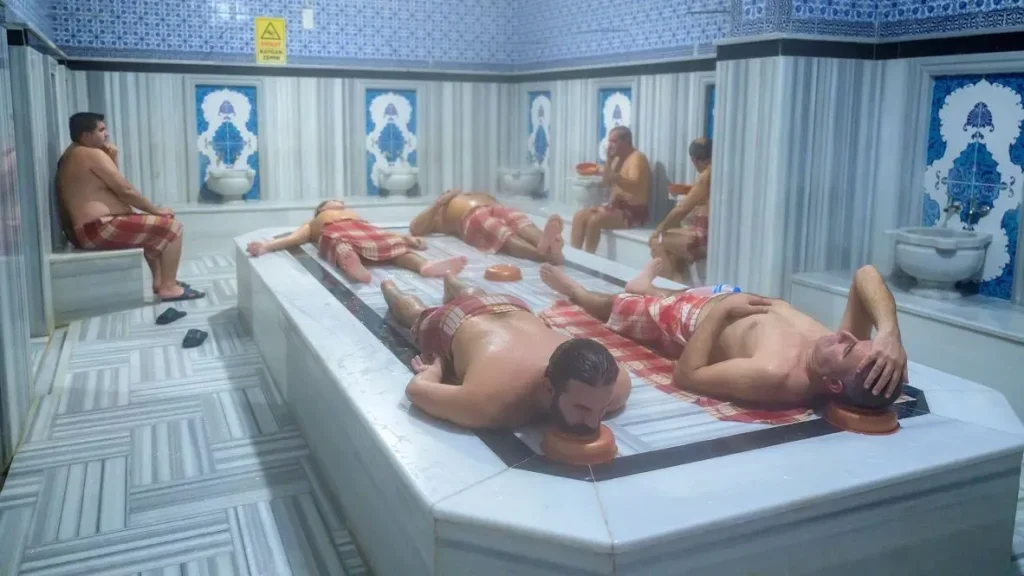
Turkish hammam vs steam bath: a concise guide to two moist-heat traditions that promise relaxation, cleansing, and a sensory journey. The Turkish bath tradition, or traditional Turkish bath, unfolds through a sequence of warm and hot rooms, body scrubs with a kese, and massage rituals that emphasize social and ceremonial cleansing—offering a unique spa experience. A steam bath, by contrast, centers on a single or few humid rooms where heat yields near 100% humidity and a steady, immersive sweating experience—often framed as steam bath vs steam room in modern spas. Both options share moist heat and relaxation benefits, yet hammam benefits come with exfoliation and multi-sensory rituals that set a social tone, while steam baths emphasize privacy and continuous warmth. Choosing between them depends on your wellness goals, comfort with heat, and the kind of spa experience you want to share or enjoy solo.
Beyond the labels, these experiences align with terms like Ottoman bath, bathhouse ritual, or hydrotherapy session that leverage heat and moisture for relaxation. In many modern wellness settings, a humid steam room—often called a steam chamber or humid spa—provides a steady, fragrant embrace of warmth for deep sweating and quiet reflection. The ceremonial dimension of the traditional Turkish bath is the ceremonial scrub and massage, while contemporary versions may emphasize privacy, personal space, and self-guided cleansing. If you’re planning a visit, consider factors like heat exposure duration, humidity level, proximity to changing areas, and the availability of add-ons such as aromatherapy or masseurs. By mapping these terms to your goals—whether cultural immersion, pure relaxation, or targeted spa benefits—you can choose an experience that feels authentic and restorative.
Turkish hammam vs steam bath: Origins, design, and cultural context
The Turkish hammam traces its roots to Roman bathhouse traditions and was refined in the Ottoman era, evolving into a multi-room ritual that blends cleansing with ceremonial social space. A classic hammam uses a sequence of warm and hot rooms, often built with marble and domed ceilings, where visitors move through humid environments and may receive a kese exfoliating treatment, soap wash, and massage. This traditional Turkish bath emphasizes the ritual as much as the outcome, offering a sensory, social, and even spiritual spa experience that goes beyond mere cleansing.
By contrast, a steam bath is a more modern concept found across hotels and wellness centers. It typically centers on a single or few rooms where a steam generator produces near-100% humidity, delivering a steady, enveloping warmth. The design is straightforward, with less emphasis on room-to-room progression or ritual interaction, though many facilities offer add-ons like aromatherapy and relaxation areas to enhance the spa experience. This difference makes the steam bath feel more like an accessible, private heat experience within contemporary settings.
Heat, humidity, and ambiance: how heat profiles shape your spa experience
In a traditional hammam, heat is intense but distributed through a series of rooms with varying humidity and airflow. Visitors acclimate gradually, starting in a tepid space and moving into hotter chambers as they sit or lie on warm marble surfaces. The humidity remains substantial, creating a heavy, moist atmosphere that amplifies the sensation of cleansing and relaxation while inviting longer, more contemplative pauses between steps.
A steam bath delivers a nearly saturated humidity level with a dense fog of warm moisture and a steady temperature that many find inviting for deep sweating. Because there’s typically less room-to-room variation, the ambiance centers on immersion rather than progression, making it ideal for those seeking a quiet, private session to unwind and let heat and vapor ease muscle tension.
Rituals, cleansing, and etiquette in Turkish hammam and steam baths
Turkish hammams are renowned for cleansing rituals and social etiquette. A visit may begin with a communal wash, followed by a kese exfoliation, a soap scrub, and often a massage, all performed in a respectful, ritualized pace. Privacy norms and attire vary by region and establishment, but the experience is anchored in a shared ritual that aims to renew skin softness and a sense of physical and mental renewal within a culturally rooted spa experience.
Steam baths tend to be simpler and more solitary. Guests usually enter with minimal clothing or a towel, sweat in the humid air, and rinse off afterward. Some facilities offer optional aromatherapy, herbal infusions, or relaxation zones, but the core etiquette emphasizes showering before entering, maintaining cleanliness for others, and preserving personal space and quiet during the session.
Health benefits and safety considerations for hammam experiences and steam bath sessions
Both experiences can promote relaxation, improved circulation, skin cleansing, and temporary relief from muscle tension. The moist heat encourages sweating and can contribute to a refreshed mood after a session. For hammam enthusiasts, the exfoliating kese and massage can leave skin feeling polished and renewed, though those with sensitive skin should approach scrubs with care and communicate any sensitivities to attendants.
Steam baths can support airway comfort and muscular relaxation, but very high humidity may not suit everyone, particularly those with certain respiratory or skin conditions. Hydration is essential in both settings, and individuals with heart conditions, pregnancy, or skin concerns should consult a healthcare professional before intense heat therapies. When choosing between options, consider comfort with humidity, temperature tolerance, and your personal health history, and listen to your body during the session.
Choosing the right experience: Turkish hammam vs steam bath and practical tips
Deciding between a culturally rich, ritual-driven Turkish hammam and a straightforward, privacy-focused steam bath depends on your goals, location, and budget. If you seek an immersive spa experience with exfoliation, massage, and a sense of tradition, a hammam is likely to satisfy you. If you prefer a simple, steady heat that emphasizes relaxation and consistent humidity, a steam bath may be the better fit, especially in modern spa settings.
Practical tips to get the most from either option include hydrating before and after, wearing appropriate attire or towels, arriving early to understand space etiquette, and discussing skin sensitivities or medical concerns with staff. Ask about options such as kese scrubs, massages, or aromatherapy to tailor the experience. When possible, compare accessibility, price points, and the overall spa experience across facilities to choose the option that aligns with your comfort level and wellness goals.
Frequently Asked Questions
Turkish hammam vs steam bath: What are the key differences in design, heat, and rituals?
The Turkish hammam is a traditional, multi-room ritual with warm and hot spaces, often featuring a kese exfoliation and massage, while a steam bath is typically a single or few humid rooms with near-100% humidity and steady warmth. The hammam emphasizes ceremonial cleansing and social etiquette; the steam bath offers a straightforward, privacy-friendly steam experience in a spa setting. Choose based on whether you want a cultural ritual or a simpler heat-and-sweat session.
Turkish hammam benefits vs steam bath benefits: what should I know?
Hammam benefits include a ritual cleansing, exfoliation, and a renewing skin feel from the kese, often within a social or ceremonial context. Steam bath benefits emphasize deep sweating, humid air that can ease breathing, and muscle relaxation in a private, straightforward heat experience. As with both, hydration is important, and those with skin sensitivities or health conditions should consult staff or a healthcare professional as needed.
What should I expect from a traditional Turkish bath (hammam) versus a steam bath in a spa experience?
In a traditional Turkish bath, you can expect a wash, kese scrub, soap wash, and possibly a massage as part of the spa experience, with etiquette around attire and privacy. A steam bath in a spa focuses on immersion in humid heat, sweating, and rinsing off, often with optional aromatherapy or relaxation spaces. Both settings value hydration and listening to your body.
Are there safety considerations or health concerns when choosing between a Turkish hammam and a steam bath?
Safety considerations include staying hydrated, avoiding overexposure, and being mindful of conditions such as respiratory issues, heart conditions, pregnancy, or skin sensitivities. The hammam’s scrub and massage require guidance from attendants to prevent irritation, while the steam bath’s high humidity may affect breathing for some. If unsure, consult a healthcare professional before trying intense heat therapies.
How do I choose between Turkish hammam vs steam bath based on my goals, budget, and spa experience?
To choose between Turkish hammam vs steam bath, consider your goals: a culturally rich spa experience with exfoliation and massage versus a private heat-and-sweat session. Also factor location, price, and the availability of authentic rituals or add-ons. Your decision should align with your preferred spa experience, budget, and comfort with social rituals.
| Aspect | Turkish Hammam (Key Points) | Steam Bath (Key Points) |
|---|---|---|
| Origins & Design | Rooted in the Roman bath tradition; multi-room ritual with warm, hot, and cooling spaces; marble and domed ceilings; social/ceremonial cleansing. | Modern concept; single or a few rooms; humid air from a steam generator; near 100% humidity; straightforward steam experience; no multi-room ritual. |
| Heat, Humidity & Ambiance | Intense heat across a sequence of rooms with varying humidity; gradual acclimatization in a ritual progression. | Nearly saturated humidity with a steady, warm environment; thick steam fog; no room-to-room transitions. |
| Rituals, Cleansing & Etiquette | Cleansing rituals include communal washing, kese exfoliation, soap wash, and often a massage; modest attire; ritual emphasizes process and social aspect. | Simpler, solitary ritual; usually minimal clothing or towel; privacy-focused; pre-entry shower etiquette; optional add-ons like aromatherapy. |
| Health Benefits & Safety | Relaxation, potential skin benefits from cleansing; exfoliation can be intense—caution for sensitive skin; hydration and staff guidance advisable. | Respiratory comfort and muscle relaxation; high humidity; hydration essential; may not suit those with respiratory, skin, or cardiovascular concerns; consult a professional if needed. |
| Accessibility & Experience | Often found in traditional or historic spas; cultural centers or boutique hotels; structured rituals; price varies by locale. | Widely available in modern spas; convenient access; consistent performance across locations; add-ons like aromatherapy or massages. |
| Practical Tips | Hydrate before/after; bring towels; allow attendants to guide; plan for longer sessions; communicate skin sensitivity. | Hydrate; shower before entering; bring a towel; start with shorter sessions; listen to your body; avoid strong scents if sensitive. |
Summary
Conclusion: Turkish hammam vs steam bath presents a balanced view of these heat-based experiences and their distinct charms.