
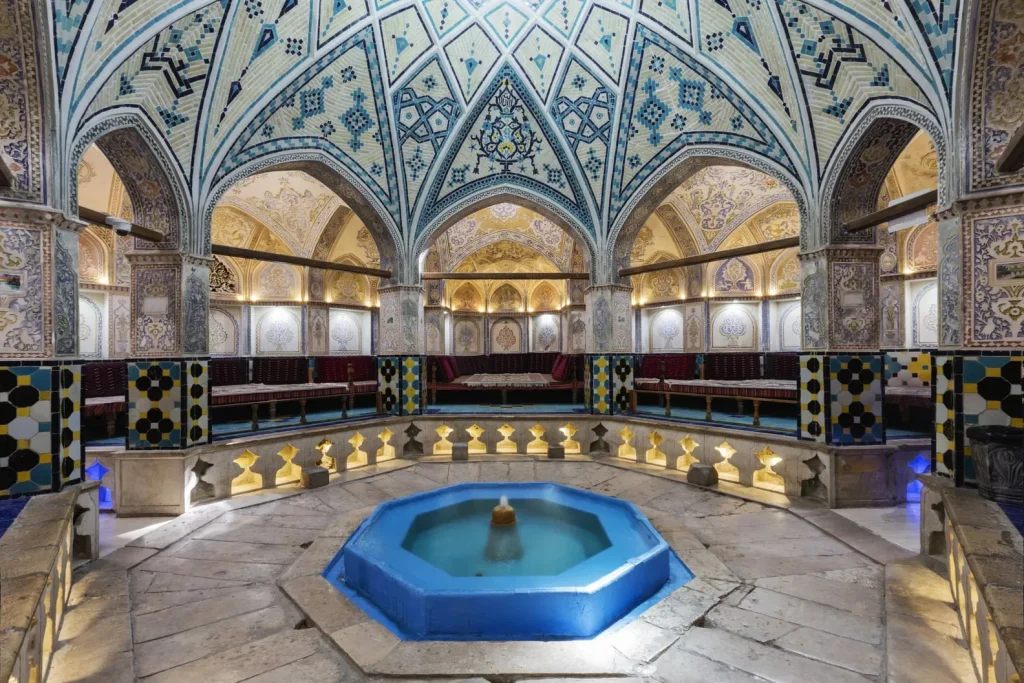
If you’re curious about Turkish Hammam, you’re not alone. This centuries-old practice blends warmth, steam, and social tradition, inviting you into a calm, shared cleansing routine and the broader hammam etiquette, the steam bath ritual, and the Turkish bath experience, with insights that many visitors find comforting. For beginners, here are first visit tips to help you navigate the rhythm from pre-wash to kese without feeling overwhelmed. The guide also covers what to wear in a hammam and how to stay comfortable and respectful in shared spaces, with practical tips on towels, privacy, and pacing. With thoughtful preparation and a sense of curiosity, you’ll emerge relaxed and eager to return to the experience.
Often described as a bathhouse tradition or hamam ritual, this steam-soaked wellness practice sits at the heart of Turkish spa culture. Across modern facilities, the process centers on a warm salle, a hotter hararet, exfoliation with kese, and optional massage or oil application, capturing the essence of the steam room cleansing. Beyond technique, the experience is framed by etiquette, privacy, and careful temperature management, ideas that enrich the first visit tips for newcomers. Whether you hear it called a Turkish bath, a hammam, or a steam bath ritual, the inviting sense of renewal remains the same, inviting curiosity and cultural appreciation.
Turkish Hammam Essentials for Beginners: What to Expect on Your First Visit
Entering a Turkish Hammam for the first time is an invitation to slow down and savor the moment. As heat and humidity embrace you, you’ll move through a familiar rhythm: a warm room to loosen the skin, a hotter hararet to intensify the cleansing, and a careful kese scrub that reveals a renewed glow. This is the steam bath ritual in its traditional form, designed to open pores, relax muscles, and prepare the skin for subsequent cleansing and hydration. For first-time visitors, knowing what to expect can turn curiosity into calm and transform the experience into a memorable Turkish bath experience.
Plan a visit of about 60 to 90 minutes and arrive with curiosity and patience. Check the spa’s etiquette and whether the spaces are gender-segregated or coed, bring a pestemal or rent one on site, and decide ahead of time how you’ll handle privacy and accessibility. This is where first visit tips matter: understanding the flow reduces anxiety, sets expectations for relaxation, and makes it easier to focus on the sensations of heat, water, and balm-like oils.
Turkish Hammam: Embracing Hammam Etiquette and Comfort
In a Turkish Hammam, etiquette is part of the ritual as much as heat and steam. Respect others’ space, keep noise low, remove jewelry, and use a pestemal to drape yourself in shared areas. Asking questions about pressure, temperature, and duration helps the therapist tailor the treatment for you, while explaining your boundaries shows consideration for the cultural context of the hammam etiquette.
Comfort comes from clear communication and sensible preparation. If you’re unsure about privacy or the facility’s rules, voice your preferences before the session begins and stick to the local norms. Tipping is common in many settings, but always align with staff guidance and policy. The result is a calm, respectful atmosphere that enhances the overall hammam experience.
The Ritual Steps Unfold: A Descriptive Guide to the Steam Bath Ritual
From arrival and changing to Suguk warmth, the sequence is designed to prepare the skin and senses. The warm room invites you to slow breathing as the air thick with humidity does its work; then the kese exfoliates rough skin, followed by warm soapy lathers that cleanse without a harsh touch. This description of the steam bath ritual highlights the meditative pace of the Turkish bath experience and the gentle choreography that guides you through cleansing, exfoliation, and relaxation.
If you’re new to massage options, you can opt for a light oil massage to nourish the skin and invite deeper relaxation. After rinsing, rest on a bench and sip water while your body returns to its ordinary tempo. This section of the ritual underscores how the Turkish Hammam blends physical cleansing with mental renewal, turning a routine bath into a restorative ceremony.
What to Wear in a Hammam: Practical Tips for Comfort and Modesty
Choosing the right attire matters as much as the ritual itself. A pestemal wrapped around the body offers modesty and freedom while still letting heat escape and steam breathe through the fabric. Many spas provide towels or robes to supplement the wrap, and some guests opt for disposable underwear to keep the cleansing steps comfortable. The focus on what to wear in a hammam centers on breathable, quick-drying fabrics that reduce heat retention.
Footwear policies vary, with some facilities requiring shoes in public areas and others allowing barefoot or sandals in steamy zones. If privacy is a concern, check whether private spaces are available or whether you should go with a swimsuit option. By choosing light, moisture-wicking clothing and following the facility rules, you’ll move through the session with confidence and respect.
Maximizing Benefits: First Visit Tips and the Turkish Bath Experience You’ll Remember
The Turkish bath experience offers more than cleansing; it can reduce tension, improve circulation, and leave the skin hydrated and radiant. To maximize this benefit, arrive early, drink water before and after, and communicate with your attendant about pressure, duration, and comfort. Approach the visit with a mindset of exploration and patience, and you’ll likely notice better sleep, mood, and a sense of renewal after your first visit.
Keep a simple checklist of first visit tips: bring a pestemal, arrive hydrated, and be open to try add-ons like kese, soap, and massage when you’re ready. This approach ensures you get the most out of the ritual while preserving the traditions of the hammam. The result is a lasting memory of a rejuvenating Turkish Hammam experience that invites you back for future sessions.
Frequently Asked Questions
Question 1: What to wear in a hammam on a Turkish Hammam visit? First visit tips
For a Turkish Hammam, wear modest, quick-drying fabrics. A pestemal (traditional towel) wrapped around the body is common, and many spas provide towels or robes. Some facilities allow swimsuits in private areas; others require a towel-only setup. Check the spa’s policy on spaces and privacy. Bring a pestemal, a change of clothes, and a bottle of water, and follow staff guidance to stay comfortable and respectful.
Question 2: What is hammam etiquette during a Turkish bath experience?
Hammam etiquette includes speaking softly, respecting others’ space and privacy, removing jewelry, and using a pestemal to drape yourself as required. Let the attendant guide the kese exfoliation, communicate any sensitivities or temperature preferences, and follow local tipping norms and facility rules to maintain a calm, respectful atmosphere.
Question 3: What happens during the steam bath ritual in a Turkish Hammam?
During the steam bath ritual, you begin in a warm room to acclimate, then receive kese exfoliation and a warm soap wash. An optional massage with aromatic oils may be offered. You’ll rinse and rest on the benches, with hydration throughout. The overall session commonly lasts 60–90 minutes, depending on the spa.
Question 4: What should I know about privacy and space during my Turkish Hammam experience?
Privacy and space rules vary by facility. Some hammams are gender-segregated, others are coed. As a first visit tip, ask about private options in advance and communicate your comfort level with staff to ensure a space that feels respectful and comfortable for you.
Question 5: What are the benefits of the Turkish bath experience and how can I maximize relaxation?
The Turkish bath experience offers deep cleansing, exfoliation, stress relief, improved circulation, and skin nourishment. To maximize relaxation, arrive early, pace the ritual, stay hydrated, and enjoy a balanced sequence of cleansing steps and optional massage. Take time to rest afterward to absorb the full benefits.
| Aspect | Key Points | Practical Tips |
|---|---|---|
| What is a Turkish Hammam? | Traditional steam bath with a cleansing ritual; humid heat; warm room (Suguk) and hotter room (Hararet); kese (scrubbing) with olive oil soap; often includes massage; core: cleansing, ritual, renewal. | Understand it’s a cleansing ritual, not a dry sauna; expect humidity and social setting. |
| Getting Ready for Your First Visit | Check etiquette and whether the space is gender-segregated or coed; bring a pestemal or rent one; typical flow includes change area, pre-wash, steam rooms, and cleansing rituals. | Ask the spa about dress code; arrive a little early; ask staff if unsure about etiquette. |
| What to Wear | Modesty and comfort: pestemal wrapped around the body; towel/robe provided by the spa; some allow disposable underwear or swimsuits; avoid heavy synthetic fabrics; privacy rules vary. | Choose quick-drying fabrics; check facility policy; wearing pestemal helps comfort and respect. |
| Hammam Etiquette | Respect others’ space and privacy; keep noise at a comfortable level; remove jewelry; use pestemal to drape; let the therapist guide you through kese; communicate preferences; tipping norms vary. | Ask questions; communicate about pressure, temperature, or duration; follow local norms and facility policy. |
| The Ritual Steps | Arrival and Change; Warm Room (Suguk); Scrub and Wash (Kese and Soap); Massage and Oil (Optional); Rinse and Relaxation; Post-Ritual Care. | Hydrate; communicate comfort levels; ask for adjustments; relax and absorb the ritual. |
| Turkish Hammam for Beginners: What to Expect | Duration typically 60–90 minutes; temperature and humidity can be intense but controllable; privacy varies; communicate sensitivities; cultural context. | Start with shorter sessions; tell attendant about sensitivities; step away if overwhelmed; stay hydrated. |
| Benefits | Deep cleansing and exfoliation; stress relief and relaxation; improved circulation/detox; skin nourishment from oils and moisturizers. | Consider regular visits; hydrate; combine kese, soap, and massage for best effects. |
| What to Bring | Pestemal or lightweight towel; water; change of clothes; small bag for valuables; willingness to learn and ask questions. | Pack light; bring a water bottle; label belongings; be open to asking staff for guidance. |
| Common Questions | Beginners-friendly; privacy varies by spa/country; you can skip the kese; frequency recommendations vary. | Check spa policy; plan according to comfort; communicate preferences. |
| Safety Considerations | Skin conditions or wounds; contagious illness; pregnant or cardiovascular concerns; stay hydrated; exit if dizzy or unwell. | Consult healthcare provider and spa staff if unsure; follow guidance; listen to your body. |
| Making the Most of Your First Visit | Arrive early; communicate preferences; explore add-ons (kese, soap, massage); savor atmosphere; hydrate and rest. | Be open about comfort; ask questions; try a balanced combination of steps for a holistic experience. |
Summary
Turkish Hammam invites you to slow down and savor a centuries-old cleansing ritual that blends warmth, steam, and social tradition into a deeply restorative experience. From preparing for your visit and understanding the etiquette to the sequence of rituals and the tangible benefits, this overview summarizes what beginners can expect. Respect for local customs, clear communication with spa staff, and staying hydrated help ensure a comfortable and rewarding experience. Across variations in layout and privacy, the core elements—humid heat, stone benches, kese exfoliation, olive oil soap, and optional massage—offer cleansing, renewal, and a sense of well-being.