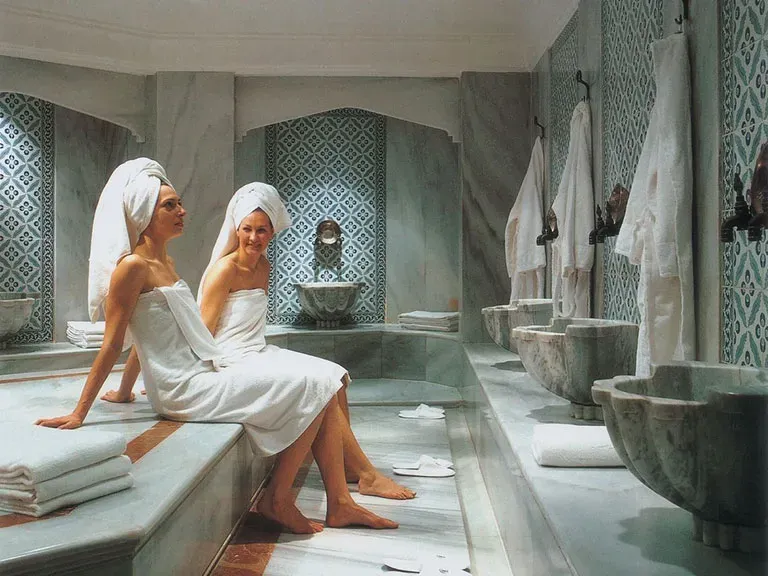
The Turkish bath Hammam ritual is more than a cleansing routine; it’s a cultural experience that blends heat, steam, cleansing, and relaxation into a meditative tradition that has been passed down through generations, inviting you to slow down and reconnect with your senses. If you’re curious about what to expect, this introduction highlights the Hammam steps, what to wear in a Hammam, and practical tips on arriving early, choosing a comfortable robe, and listening to body cues so you can enjoy the full experience without rushing. Across Istanbul’s historic baths and contemporary spas, the Hammam ritual guide outlines a clear sequence—from gentle pre-cleanse and warm rooms to the steamy heart of the session, the exfoliating kese, a generous soap lather, a soothing massage, and a refreshing rinse that seals the benefits. Learning Turkish bath etiquette, including modest attire, at-your-own-pace pacing, communicating pressure and areas to avoid, and respecting others in shared spaces, can enhance comfort, safety, and the overall sense of ritual mindfulness that many visitors seek. Ultimately, appreciating the traditional rhythm of pre-warmth, steam, scrub, soap, and rinse—while staying hydrated and attentive to cues from attendants—helps you savor the ritual’s renewal and the enduring culture it represents, long after you leave the marble rooms.
Viewed through the lens of a steam-filled ceremony, this spa tradition blends heat, humidity, and hands-on cleansing into a sensory journey. In practice, guests follow a guided cleanse that transitions from warm chambers to a steamy core, then to exfoliation and a soothing massage—a rhythm you’ll recognize as a balanced, culturally rooted sequence. The experience is as much about milieu and etiquette as technique, with attendants guiding pressure, pace, and privacy to respect everyone sharing the space. Beyond the exfoliation and massage, the benefits accrue as improved circulation, skin renewal, and a calmer, more focused state of mind. Whether you call it a traditional Turkish spa ritual, a steam bath ritual, or a wellness ritual, the aim remains the same: renewal, relaxation, and a respectful immersion in centuries-old hospitality.
Hammam steps: A Descriptive Journey Through the Turkish Bath Experience
Before entering the main steam spaces, guests typically wash away perfumes or makeup and dry the skin. This pre-cleanse, followed by a gradual warm-up in a softly heated room, helps loosen surface tension and prepares the body for the deeper cleansing to come. In the Hammam steps, this warm-up is the quiet opening act that signals the ritual has begun.
Next comes the heart of the experience: a steamy chamber that invites sweating, muscle relaxation, and skin cleansing. The steam’s humidity and heat create a cocoon-like atmosphere that supports mental calm as well. Attendants may guide how long you stay in each space, ensuring safety and comfort throughout the Hammam steps.
Hammam ritual guide: From Preparation to Post-Ritual Relaxation
Whether you call it a Hammam ritual guide or a traditional spa itinerary, the sequence usually follows clear stages: warm-up, steam exposure, exfoliation (kese), soap lather, massage, and a final rinse. A good Hammam ritual guide acknowledges that guests have different comfort levels, and staff tailor pressure and tempo to individual needs.
After the rinse, many facilities offer a brief rest and hydration to seal in relaxation. The ritual guide emphasizes mindful breathing, listening to your body, and appreciating the sensory contrasts between hot steam, cool rinse, and the quiet moments after massage. With this Hammam ritual guide in mind, you can enjoy the ritual at your own pace and leave feeling renewed.
Turkish bath Hammam ritual: Respectful Practices for a Comfortable Hammam Visit
Turkish bath etiquette encompasses more than dress and timing; it’s about respect for others sharing the spaces, listening to staff, and following facility guidelines. Guests are often asked to disclose any sensitivities or medical concerns before exfoliation or massage, ensuring comfort for all. In public hammams, modesty is valued—this Turkish bath etiquette helps maintain a tranquil, inclusive atmosphere.
Practical tips include arriving with clean skin, using provided towels and robes appropriately, and communicating your pace and pressure needs. Tipping is common in many places, and hydration should follow the ritual to replenish fluids. Observing Turkish bath etiquette also means giving attendants space and privacy when requested, and avoiding rushed or loud behavior in shared rooms.
Hammam benefits: Physical Renewal, Mental Calm, and Skin Wellness
Hammam benefits extend beyond cleansing. Regular exposure to warm humidity and thorough exfoliation can improve skin texture, encourage circulation, and promote muscle relaxation. The combined heat, moisture, and massage help ease tension and provide a sense of inner calm associated with traditional spa culture, a core Hammam benefits you’ll notice after a session.
Over time, the practice may contribute to detoxification through sweating and improved hydration balance when followed by proper post-ritual care. Guests often report better sleep, reduced stress, and a refreshed complexion—a testament to the balance of physical and mental Hammam benefits.
What to wear in a Hammam: Attire, Gear, and Etiquette for Comfort
What to wear in a Hammam is typically practical and modest. In traditional spaces, a peştemal (a thin cotton towel) or swimsuit is common, while many modern spas offer guidelines that blend tradition with comfort. Knowing what to wear in a Hammam helps you move through the spaces with ease and respects the facility’s rules and culture.
In addition to attire, you’ll want to bring or request items that support hygiene and comfort: a clean peştemal, a robe if available, sandals for shared floors, a hair tie to keep hair away from the face, and a small bag for personal items. If the spa provides lockers or towels, confirm what’s supplied so you can pack only what you need, and hydrate after the ritual for best results.
Frequently Asked Questions
What is the Turkish bath Hammam ritual and what are the Hammam steps involved?
The Turkish bath Hammam ritual is a cleansing and relaxing sequence across warm, humid spaces. The Hammam steps typically include pre-cleanse and warm-up, steam exposure, exfoliation (kese), soap lather and massage, and a final rinse. This guided progression is designed to open pores, soften the skin, and promote circulation, delivered at a comfortable pace by the attendant.
How can a Hammam ritual guide help a first-timer understand and enjoy the Turkish bath Hammam ritual?
A Hammam ritual guide outlines the typical flow, temperatures, and services so you know what to expect. It helps you communicate preferences about pressure, pace, and areas to avoid, and ensures you follow the traditional sequence without feeling overwhelmed. With a guide, you can focus on relaxation and the cultural experience as you move through the Hammam steps.
What Turkish bath etiquette should I follow during the Hammam ritual to respect other guests?
Turkish bath etiquette emphasizes courtesy, modesty, and listening to staff instructions. Communicate discomfort or sensitivities, ask permission before touch, and be mindful of others in shared spaces. Following etiquette helps everyone enjoy the Hammam ritual and maintain a calm, respectful atmosphere.
What are the Hammam benefits you can expect from the Turkish bath Hammam ritual for skin, relaxation, and circulation?
Regular exposure to the steam and exfoliation can improve skin texture and tone, while the slow movements and warm environment promote relaxation and stress relief. The heat also supports temporary circulation improvements and eased muscle tension, contributing to a refreshed sense of well-being after the Hammam ritual.
What to wear in a Hammam and what should you bring for the Turkish bath Hammam ritual?
In many traditional hammams, you wear a peştemal or a swimsuit, with modest attire common in traditional spaces. Bring a clean towel, flip-flops, a hair tie, and a bottle of water; many facilities provide robes or lockers. Check the facility’s guidelines, but this gear helps you stay comfortable while following the Hammam ritual.
| Aspect | Key Points |
|---|---|
| What is the Turkish bath Hammam ritual? | A sequence of cleansing and rejuvenating steps designed to open pores, soften the skin, and promote circulation. It typically unfolds across temperature zones and spaces, often following the pattern: warm room preps the body, intense steam loosens impurities, kese exfoliation, soap lather and massage, then a rinse with cool water. The Hammam steps can be tailored to guests’ preferences or local customs. |
| Main stages | Warming the body, escalating steam exposure, cleansing/exfoliation, and relaxation. The experience is designed to be restorative, not rushed, and often ends with a gentle massage or oil application. |
| Hammam steps: a detailed walkthrough |
|
| What to wear, bring, and how to prepare |
|
| Etiquette and tips |
|
| Benefits and experience |
|
| Safety considerations |
|
| Variations and regional differences | Room layouts, temperatures, and service styles vary by hammam or spa, but the core goals—cleansing, relaxation, and renewal—remain consistent. |
| Frequently asked questions (FAQ) snapshot |
|